Read and watch


  • Delicate and detailed: preparing tapestries “from the vault”

    Delicate and detailed: preparing tapestries “from the vault”

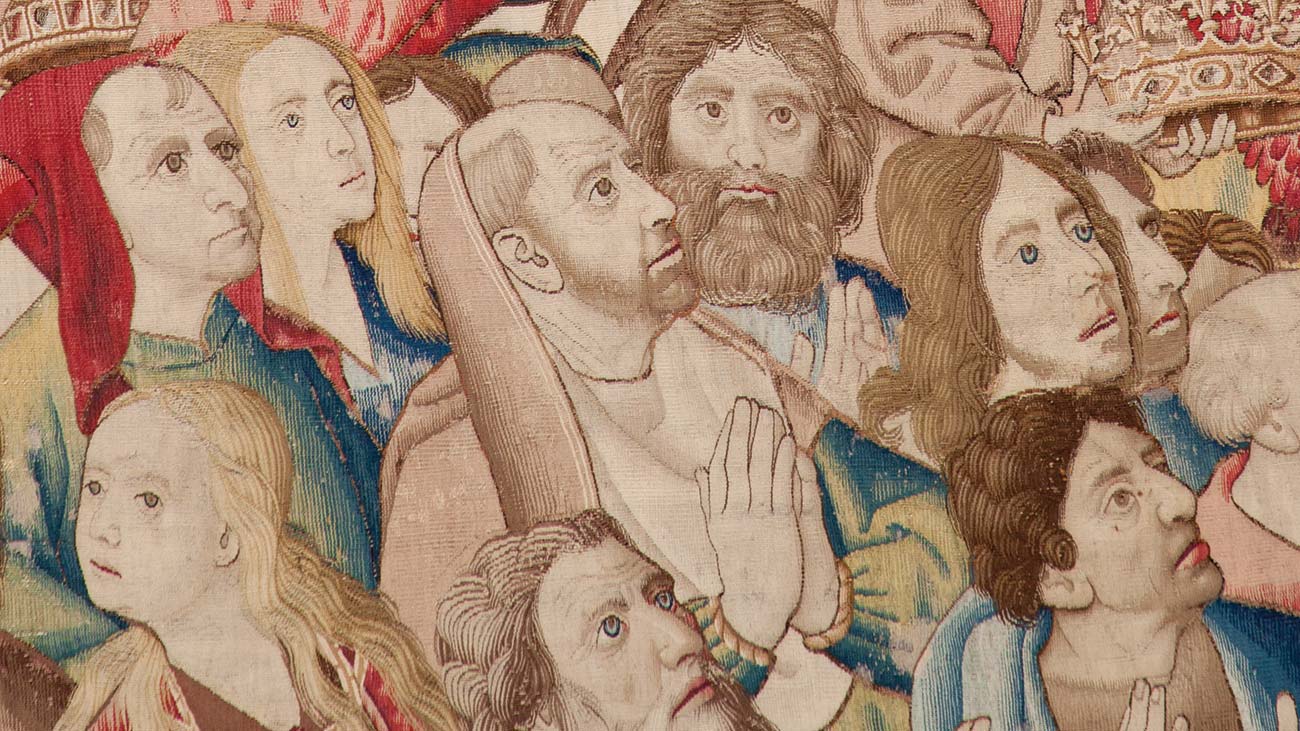
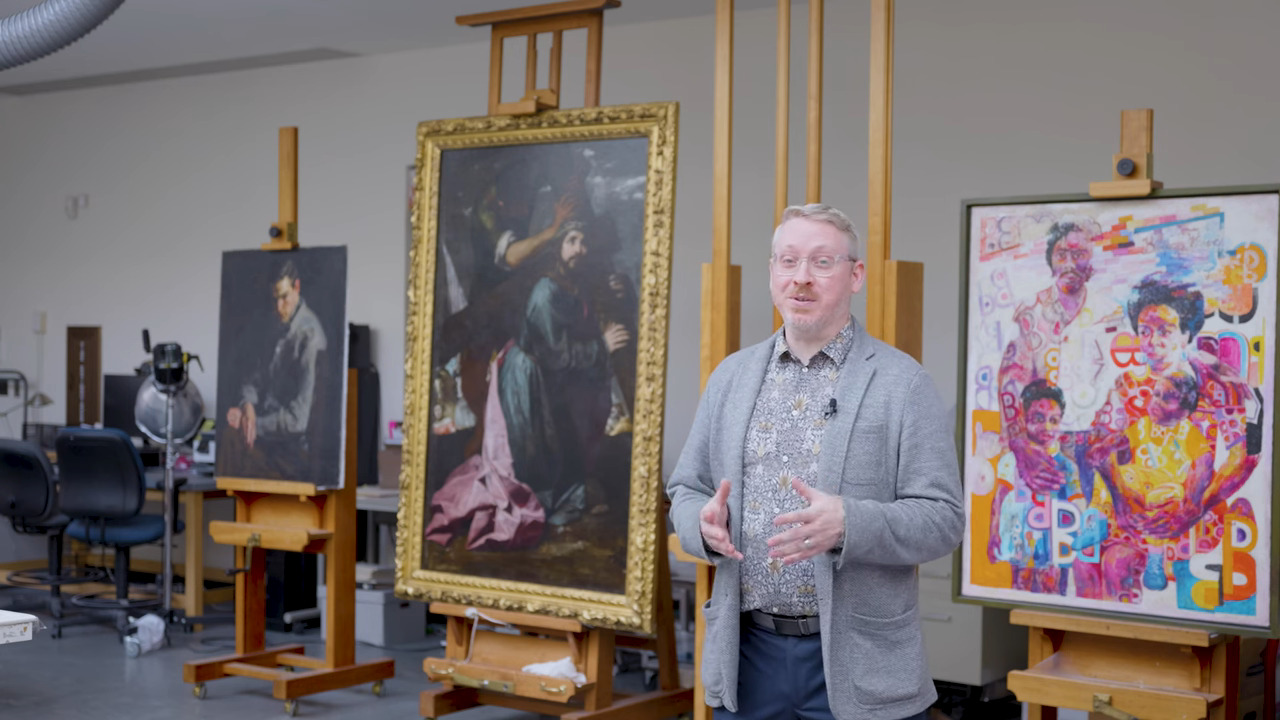
    The Worcester Art Museum has been collecting tapestries for over one hundred years, but due to their fragile nature, sensitivity to light, vulnerability to shifts in temperature and humidity, and large size, they have rarely been on view in recent decades.

  • Japanese printmakers’ unique connection with the Worcester Art Museum

    Japanese printmakers’ unique connection with the Worcester Art Museum

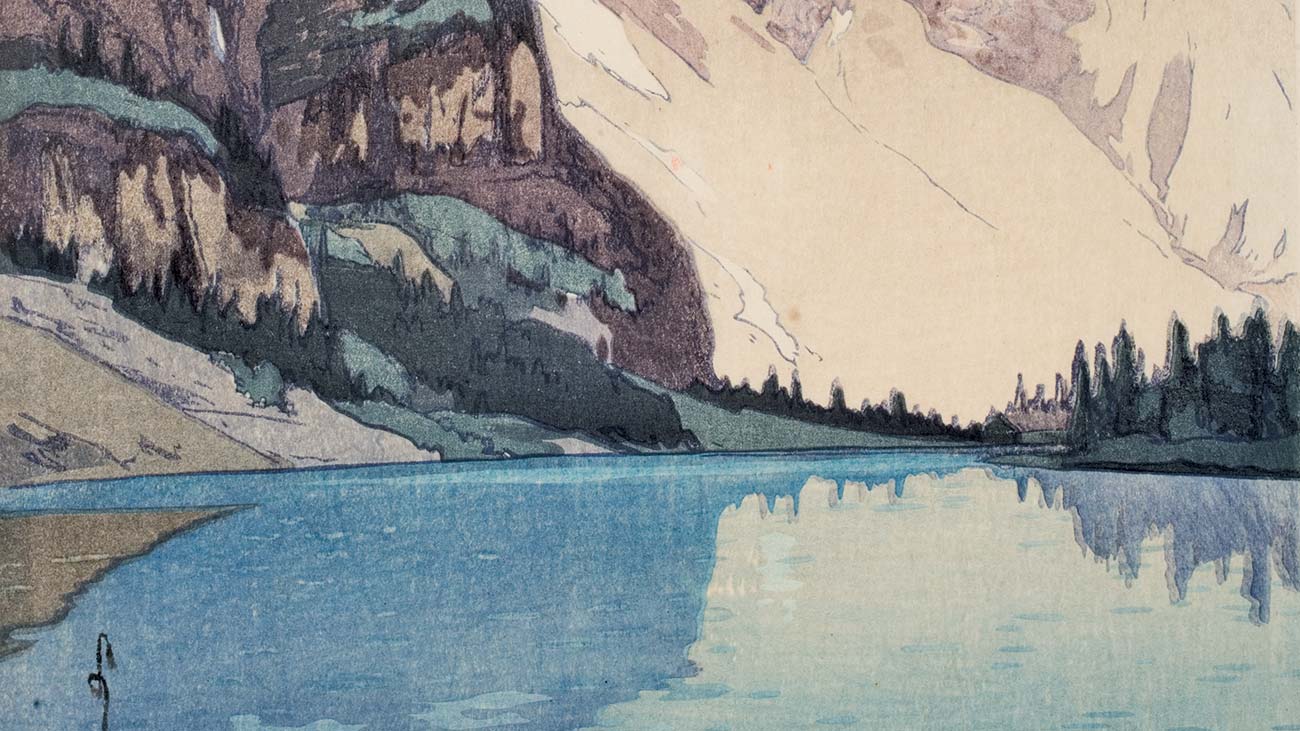
    Shin hanga (新版画, “new prints”) emerged in early 20th-century Japan as a revival of traditional woodblock printmaking. This movement blended time-honored techniques with Western influences drawn from impressionism and art nouveau.

  • A quilt with a story

    A quilt with a story

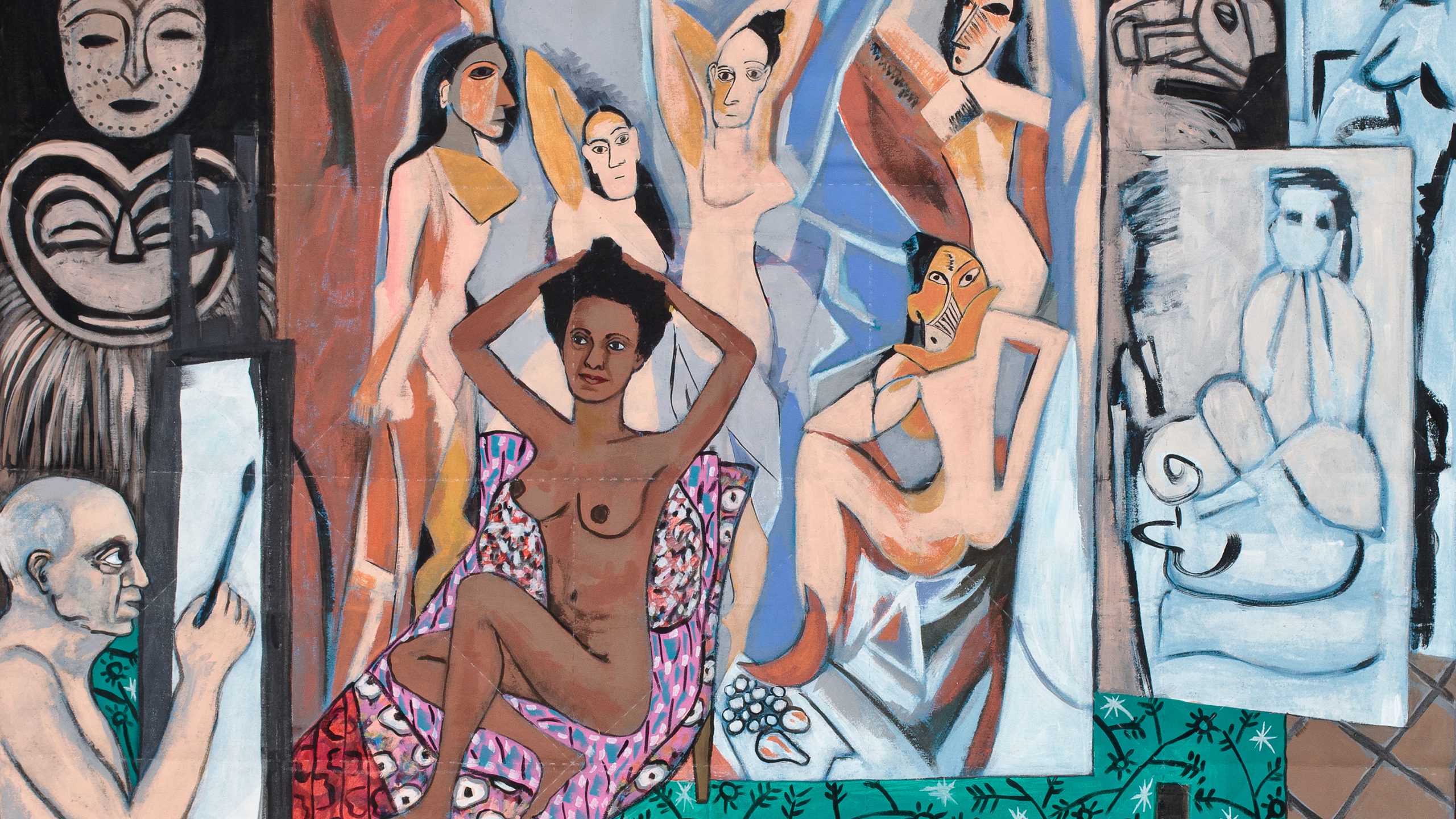
    Faith Ringgold’s Picasso’s Studio (1991) is a cornerstone of the Worcester Art Museum’s collection. Acquired directly from the artist via her gallery in 1998, the work is one of the most celebrated narrative quilts by the artist, author, and activist. Recently a part of major exhibitions on Ringgold at Musée Picasso Paris, New York’s New…

  • Nyeema Morgan on exploring identity through text in art

    Nyeema Morgan on exploring identity through text in art

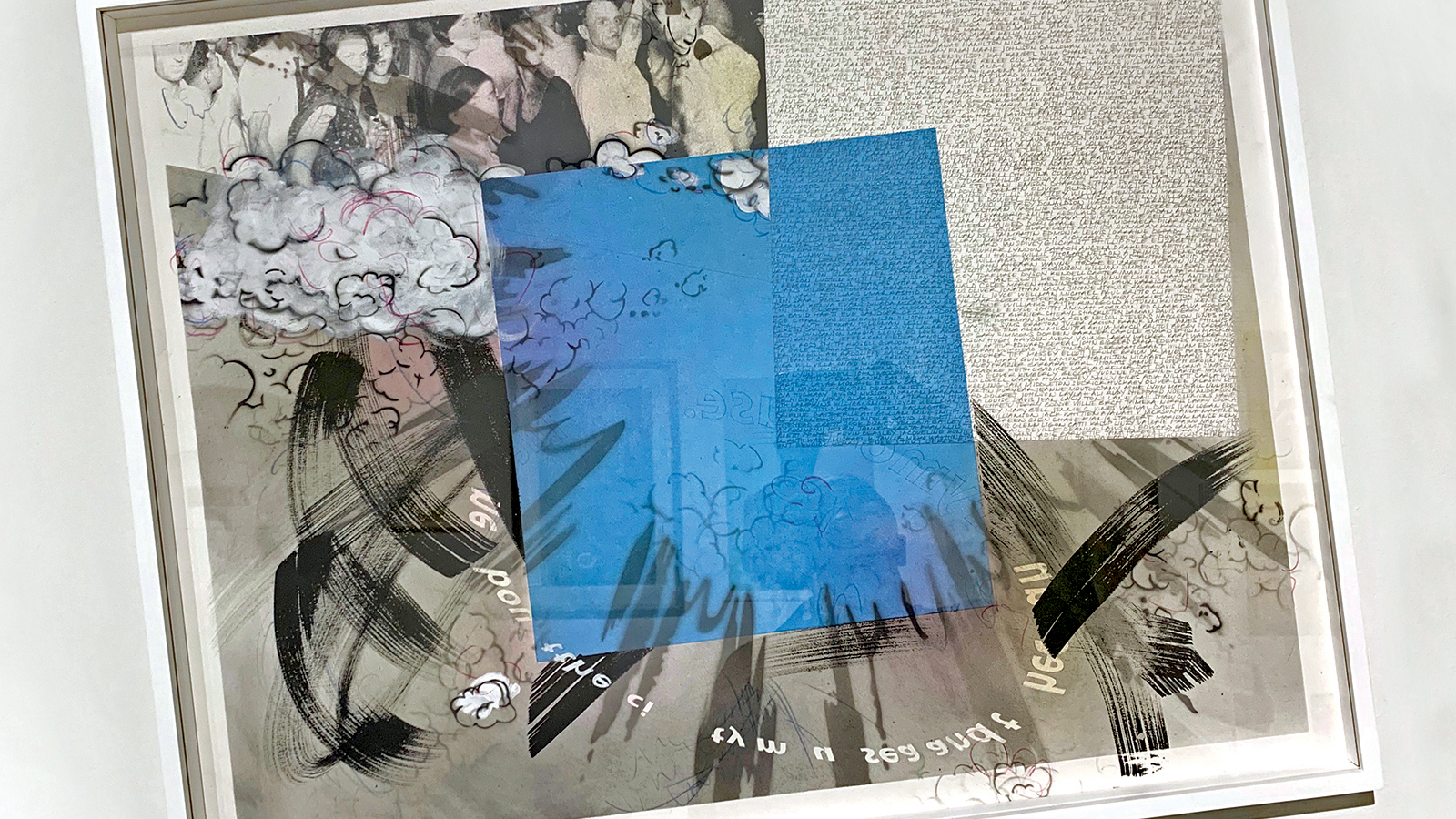
    The 2022 exhibition Us Them We | Race Ethnicity Identity featured 45 contemporary artists exploring diverse perspectives and experiences around identity. Organized around four formal artistic devices used since the mid-1970s to address socio-political concepts, Us Them We included photographs, prints, paintings, and sculptures from the Museum’s collection, along with several significant loans. Us Them…

  • Homer, Sargent, and Europe: an overview of the Worcester Art Museum’s watercolors

    Homer, Sargent, and Europe: an overview of the Worcester Art Museum’s watercolors

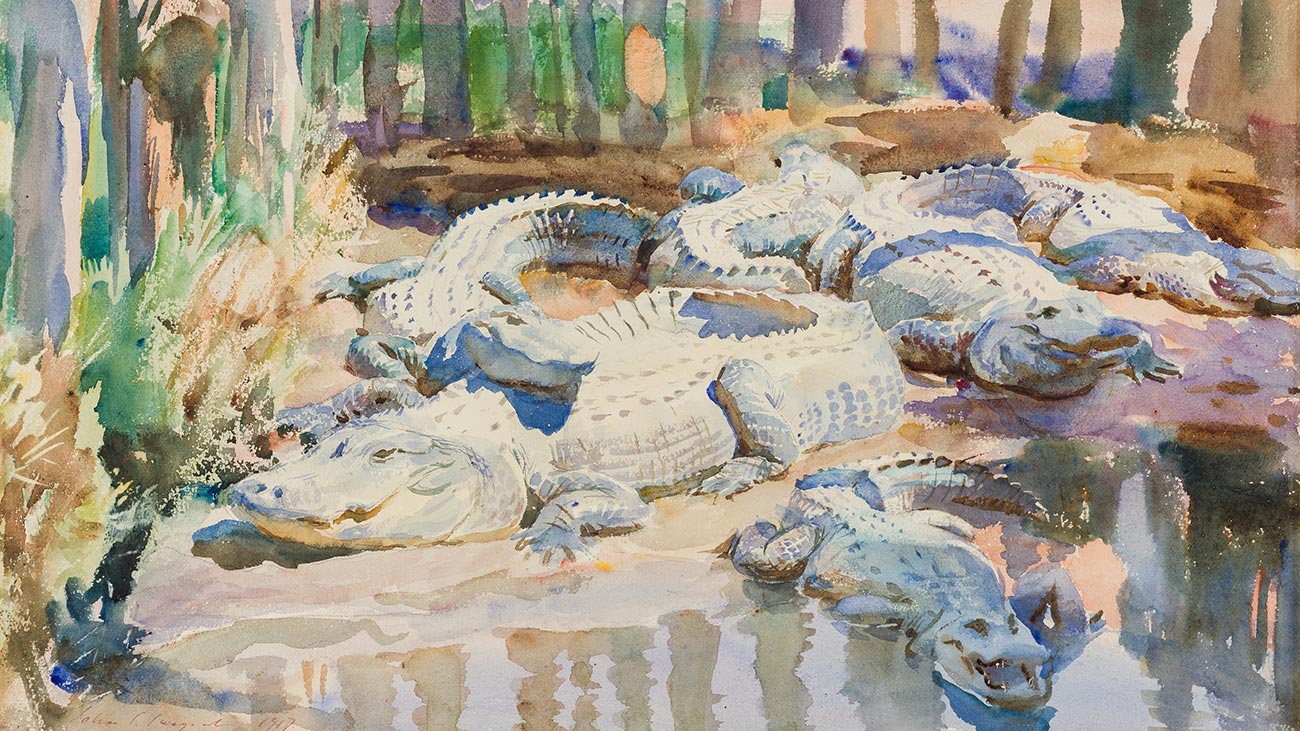
    The Worcester Art Museum’s collection of American watercolors is among its most treasured, yet we rarely get to appreciate these paintings in person. Due to their fragility and sensitivity to light, works on paper spend most of their lives in climate-controlled storage. John Singer Sargent and Winslow Homer, whose internationally revered works make up a…

  • Replacing Missing Fingers and Toes with 3D Printing Technology

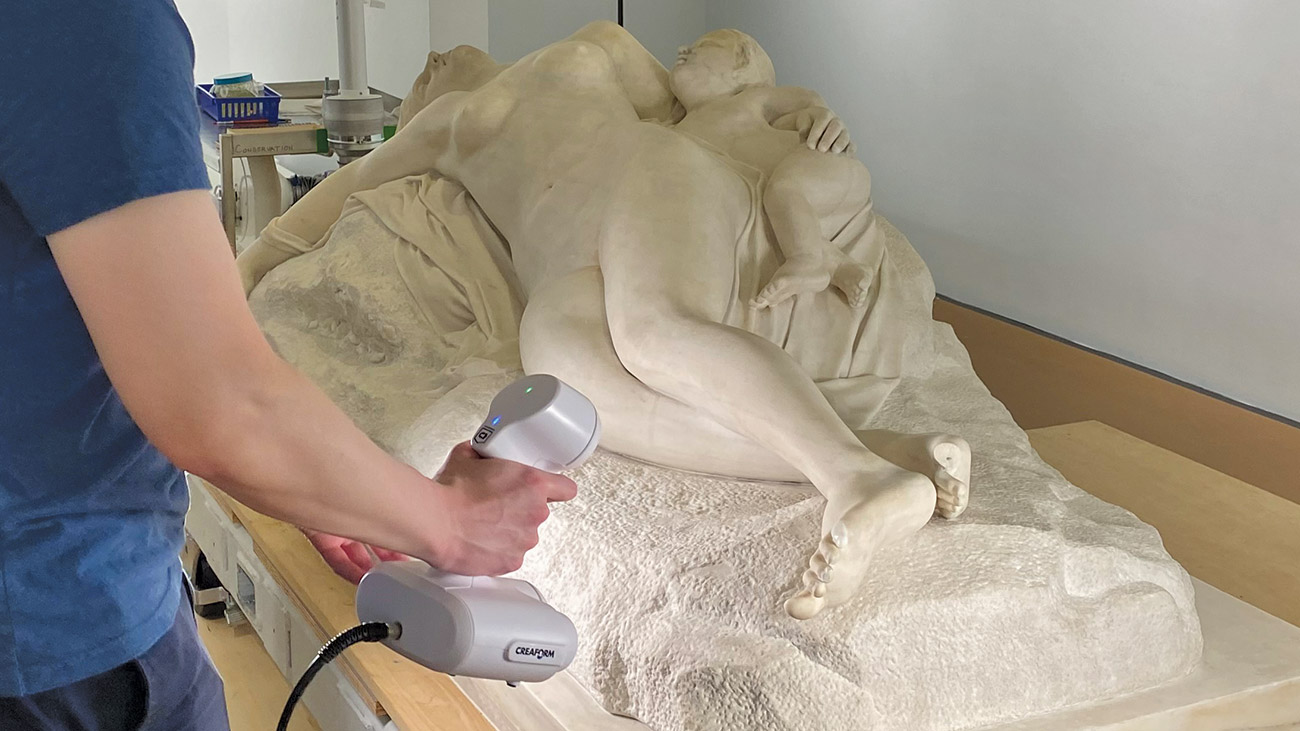
    Replacing Missing Fingers and Toes with 3D Printing Technology

    Objects Conservator Paula Artal-Isbrand has gone through the painstaking process of cleaning the 19th-century sculpture, Shipwrecked Mother and Child, by Edward Augustus Brackett. Acquired by the Museum in 1904, the sculpture was stored in the basement for 80 years until it was moved to the Jeppson Idea Lab for conservation in December 2019. Outside the…

  • John Singleton Copley’s copycat portraits

    John Singleton Copley’s copycat portraits

    John Singleton Copley’s Portrait of Lucretia Chandler, Mrs. John Murray, (1763), originally hung in the main room of one of the most fashionable homes in Rutland, Massachusetts. The subject of the painting, Lucretia Chandler Murray (then aged 31), leans against a pedestal with her arms casually crossed. The direct look in her blue eyes and…

  • From Andy Warhol to Cindy Sherman: How did 1960s photography revolutionize art?

    From Andy Warhol to Cindy Sherman: How did 1960s photography revolutionize art?

    The 1960s are often described as a tumultuous decade. Documentaries rerun television footage emphasizing polarized political voices for and against the Vietnam War, the Civil Rights movement, the triumph of the first human walking on the moon, and onset of the Women’s Liberation movement. At the same time, another revolution took place: photography emerged as…

  • Preserving arms and armor: a Maximilian makeover

    Preserving arms and armor: a Maximilian makeover

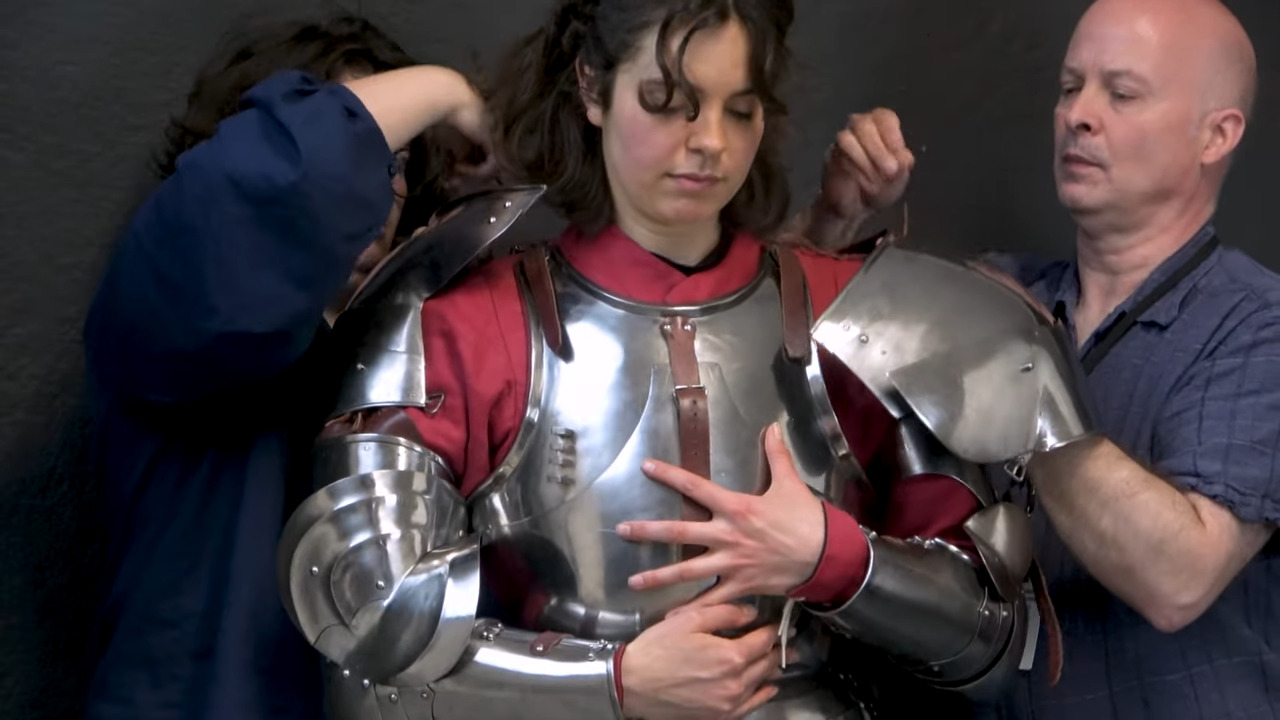
    Five hundred years ago a six-foot-tall man galloped headlong into battle, confident and fierce, his Maximilian field armor glinting in the morning sun. “The knight is the tank of the battlefield, punching through the enemy line,” says Jeffrey Forgeng, curator of arms and armor and medieval art. “He’s armored, powerful, forceful—the highly mobile element on…

  • Painting London: Monet’s “Waterloo Bridge” at the Worcester Art Museum

    Painting London: Monet’s “Waterloo Bridge” at the Worcester Art Museum

    Claude Monet’s serial approach to landscape painting is well known. Less so are the subjects he explored in London from 1899 to 1901, even though they resulted in over 100 canvases. One of these subjects, London’s Waterloo Bridge, spurred a series of its own.

  • New life for La Farge’s “Peacock Window”

    New life for La Farge’s “Peacock Window”

    Behind the scenes in the Conservation Lab, Amanda Chau was embroiled in a mystery. The Andrew W. Mellon Fellow in Objects Conservation at WAM was tasked with caring for pieces of glass in John La Farge’s prized Peacock Window. The most experimental of his stained-glass windows, in which he abundantly employed fused glass techniques, was…

  • The katana: the soul of the samurai

    The katana: the soul of the samurai

    The katana, the iconic sword of Japanese tradition, is often described as the soul of the samurai, and certainly it embodies the lethal ferocity we associate with Japan’s legendary warriors. But if we are looking for a window into the samurai soul, it may be the sword fittings that have more to tell us. The…

Worcester Art Museum logo