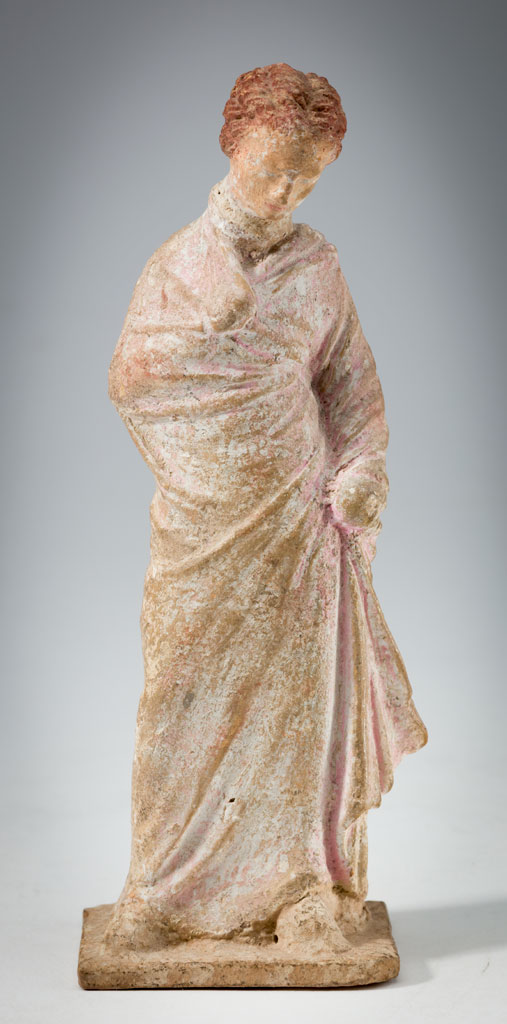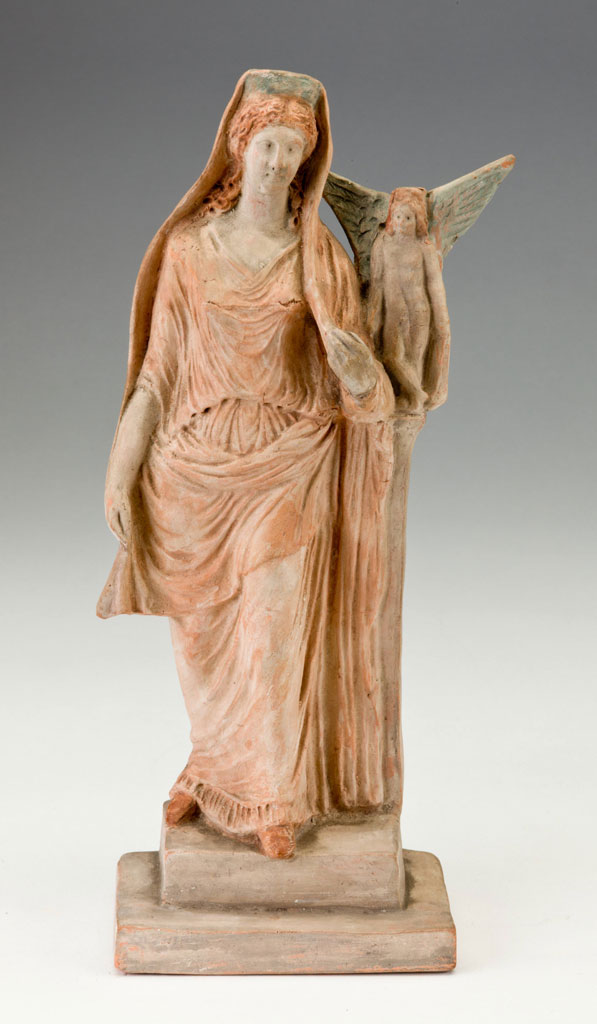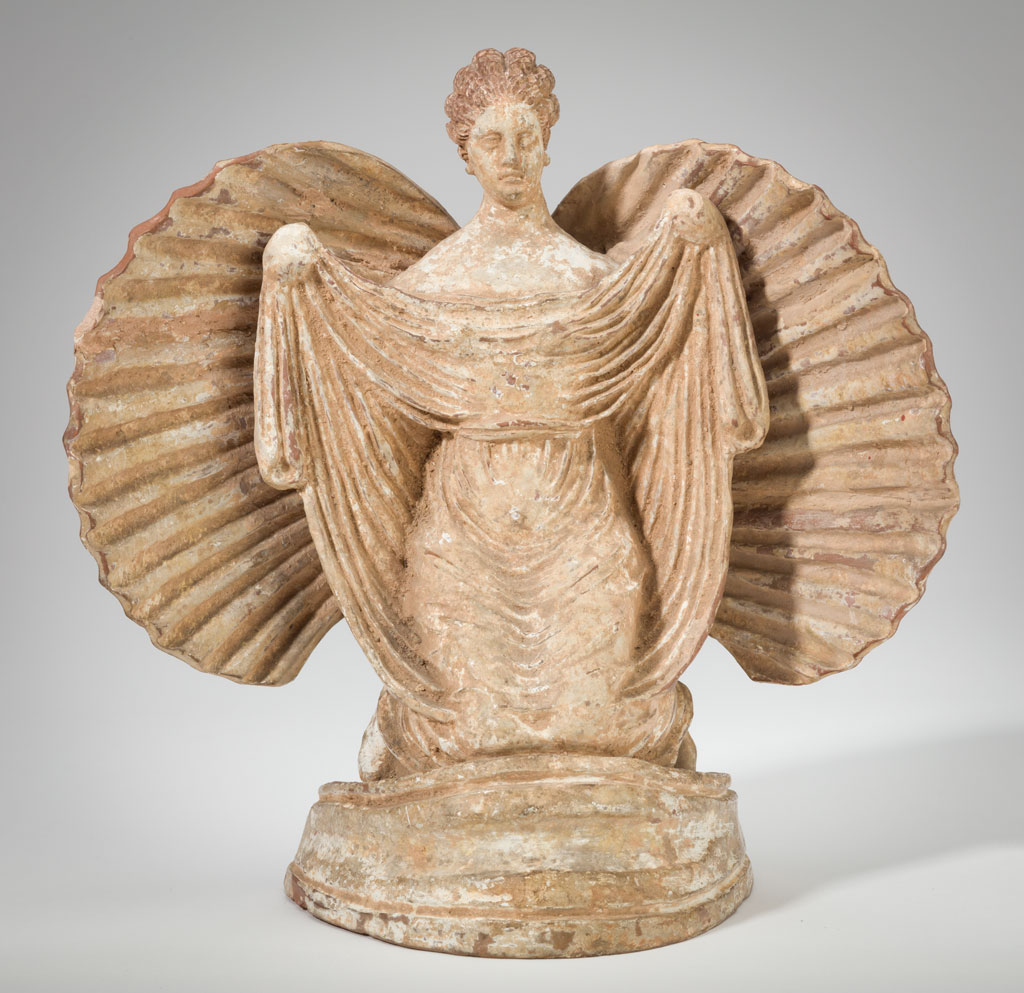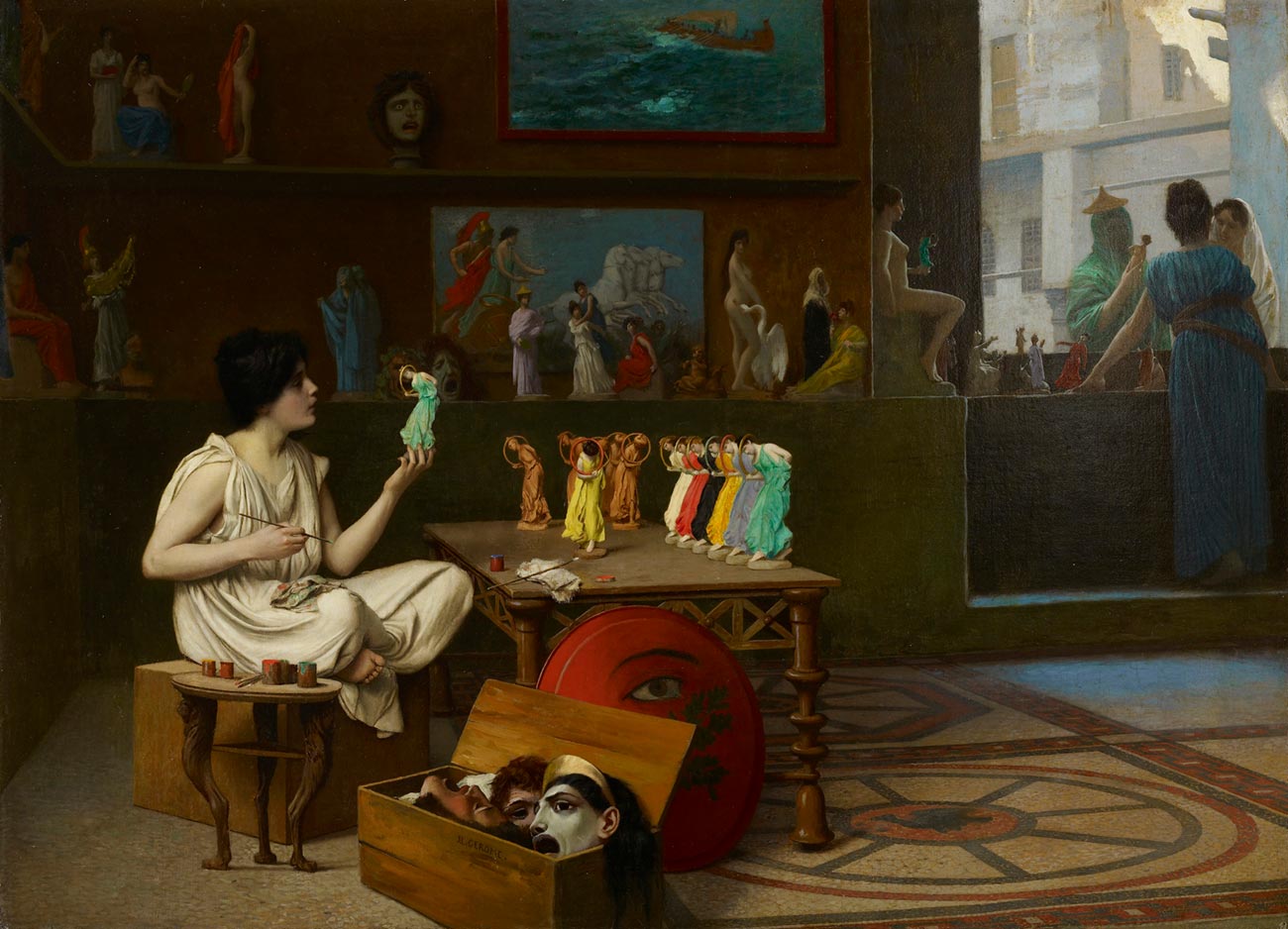
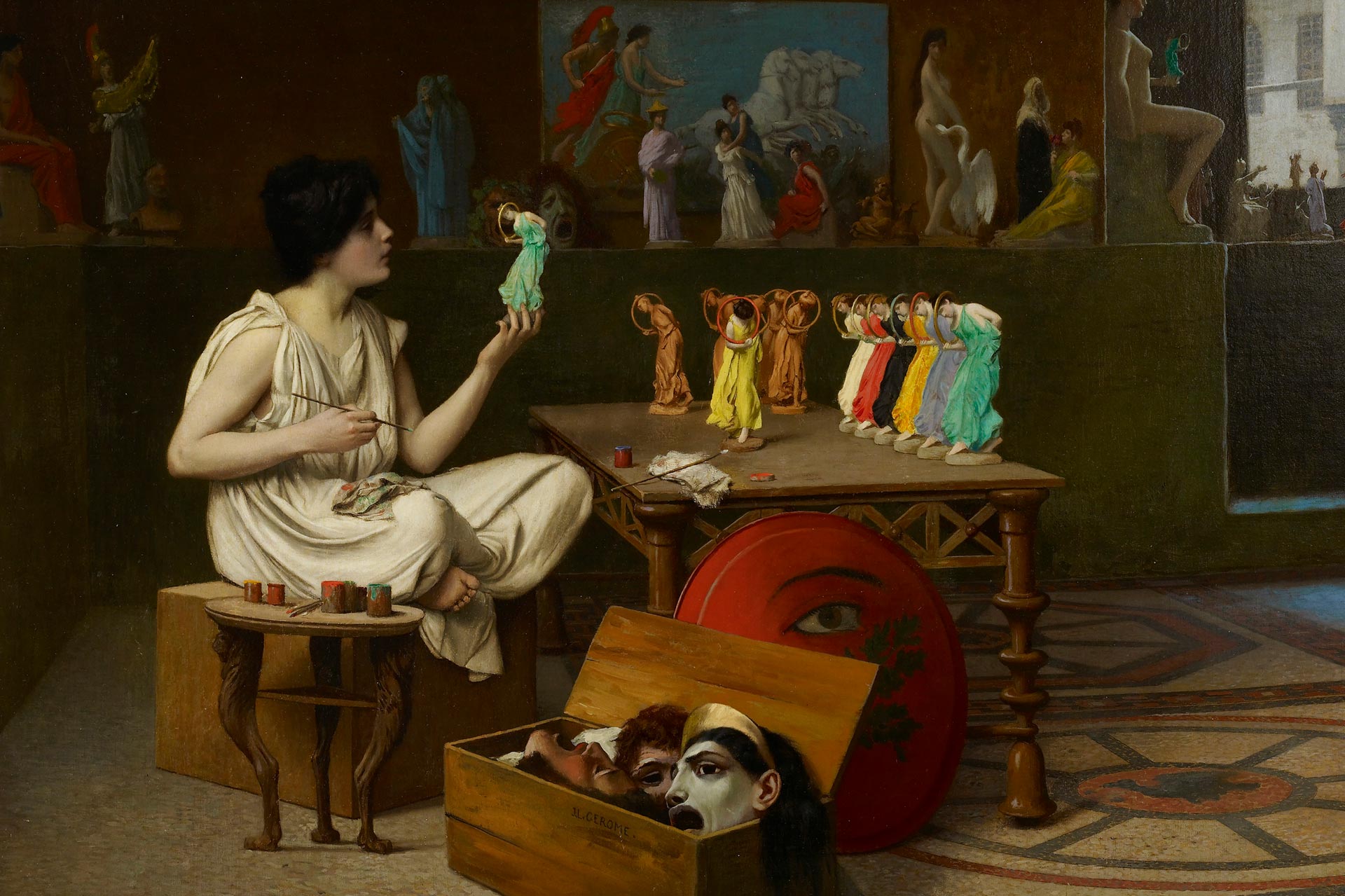
Frenzied collecting trends are nothing new. One hundred fifty years ago, the discovery of ancient Greek sculptures at the site of Tanagra in central Greece took Europe and America by storm. This “Tanagramania” began in the early 1870s, when thousands of painted terracotta figurines were unearthed by local farmers working the soil and later by widespread, unregulated digging.
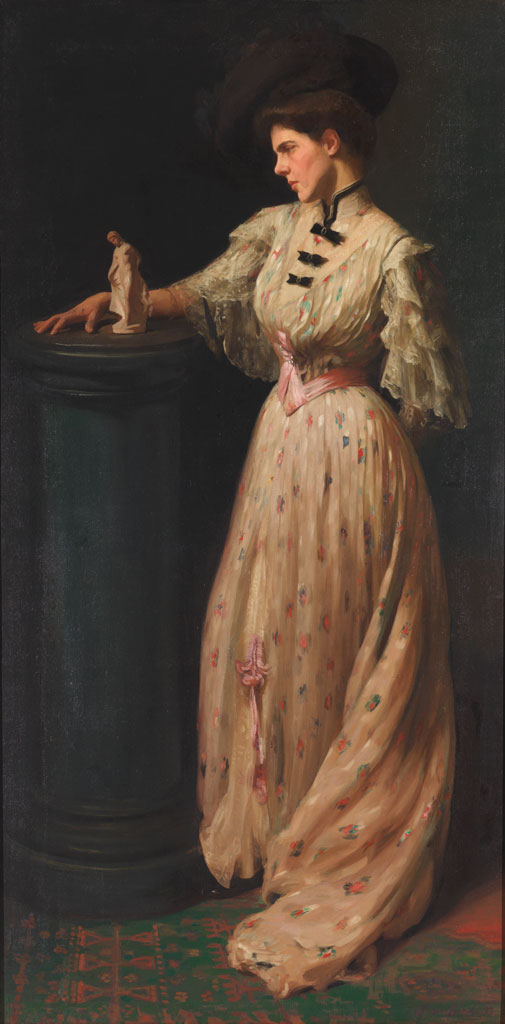
The finds immediately caught the attention of European and American collectors, and the statuettes—some only a few inches high—soon inspired fashion designers, artists, writers, and dancers alike. Oscar Wilde’s Dorian Gray said of his lover, “She had never seemed to me more exquisite. She had all the delicate grace of that Tanagra figure that you have in your studio.”
But the craze also inspired reproduction and forgery on a large scale as the demand for the figurines rapidly outpaced supply. Tanagramania directly addresses questions arising from the discovery, collecting history, and forgery of the Tanagras, including new research and discoveries about objects in the Worcester Art Museum’s own collection. The exhibition brings together over 70 works, including excavated figurines, deceptive forgeries, modern reproductions, and paintings, sculptures, and fashions inspired by Tanagras.
This exhibition is curated by Daniel Healey, PhD, the Worcester Art Museum’s Provenance Research Specialist.
This exhibition is generously supported by the Samuel H. Kress Foundation and Fletcher Foundation. It is also funded in part by the Ruth and John Adam, Jr. Exhibition Fund, Richard A. Heald Curatorial Fund, the Christian A. Johnson Exhibition Fund, Hall and Kate Peterson Fund, and WAM Exhibition Fund. Related exhibition programming is supported by the Bernard G. and Louise B. Palitz Fund and Schwartz Charitable Foundation.
Stay connected! Sign up for the Worcester Art Museum’s email newsletter.